Why Japanese Homes Feel Calm—Even When the Space Is Small
Many people are surprised when they step into a Japanese home for the first time. The rooms are often compact, storage is limited, and furniture is minimal. And yet, the space feels calm, balanced, and deeply satisfying.
This sense of calm isn’t accidental. It comes from how space is used—and just as importantly, what is chosen to exist within it.
Space Is Treated as Something to Protect
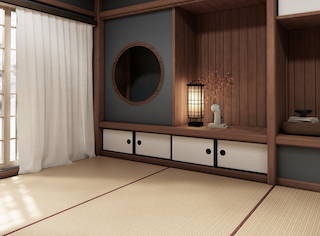
In Japan, space itself is valued. Rather than filling every corner, homes are designed to allow room for emptiness. This concept is closely tied to the idea of ma—the intentional use of negative space.
Empty areas are not seen as unfinished. They are seen as breathing room. Space allows the mind to rest, movement to feel natural, and the home to adapt to different moments throughout the day.
Fewer Items, Clear Purpose
Japanese homes tend to favor fewer objects, but each item has a role. Furniture is chosen carefully. Decorative items are limited. What remains earns its place through function, meaning, or emotional value.
This approach reduces visual noise. When your eyes aren’t constantly processing clutter, the space naturally feels quieter—even if it’s small.
Calm Comes From Natural Materials
Many Japanese homes incorporate materials that feel grounding:
• Wood with visible grain
• Paper or fabric that softens light
• Natural fibers and textures
• Muted, earthy color palettes
These materials absorb light and sound gently, creating an atmosphere that feels warm rather than sterile. Even modern apartments often borrow these elements to soften their environment.
Items That Invite Stillness
Japanese homes often include objects that subtly encourage slowing down:
• Low tables or floor seating
• Soft lighting rather than bright overhead lights
• Simple trays, cushions, or mats
• Small focal points instead of many decorations
These items don’t demand attention. They quietly support moments of rest—sitting, drinking tea, talking, or doing nothing at all.
Flexible Spaces, Not Fixed Rooms
Another reason Japanese homes feel calm is flexibility. Rooms are not locked into one function. A space used for relaxing during the day can become a sleeping area at night. Items are stored away when not in use.
This flexibility prevents overload. The room becomes what you need it to be, rather than constantly reminding you of everything at once.
Calm as a Daily Practice
A calm home in Japan isn’t achieved once—it’s maintained. Tidying is frequent. Items are returned to their place. Calm is treated as something fragile and worth protecting.
This daily care builds an environment that supports mental clarity and emotional balance, even in limited square footage.
Why This Matters Beyond Japan
In a world where homes are often filled quickly and endlessly, the Japanese approach offers a quiet alternative. Calm doesn’t require more space. It requires better relationships with space and objects.
Small homes can feel expansive when what’s inside them is intentional.
Related Japanese Items You May Appreciate
If you’re interested in creating a calmer home environment inspired by Japan, you may want to explore:
• Minimalist home organization tools
• Natural-material home goods
• Soft lighting solutions
• Simple, multi-purpose household items
Japanese home calm isn’t about perfection.
It’s about creating a space where your mind can finally rest.
Recommended Product
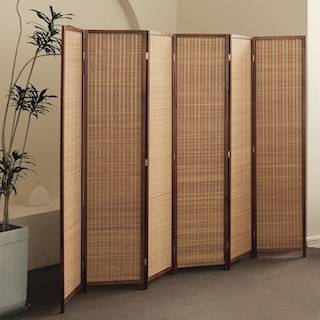
Bamboo Room Divider and Folding Panel Screen